

Quick answer
Pamukkale is a hillside of white travertine terraces in Denizli province, formed by calcium-rich thermal water, with the ancient spa city of Hierapolis on the plateau above. The two form a single UNESCO World Heritage Site and share one 30 EUR conservation fee. Gates open daily from 06:00, and the terraces are walked barefoot.
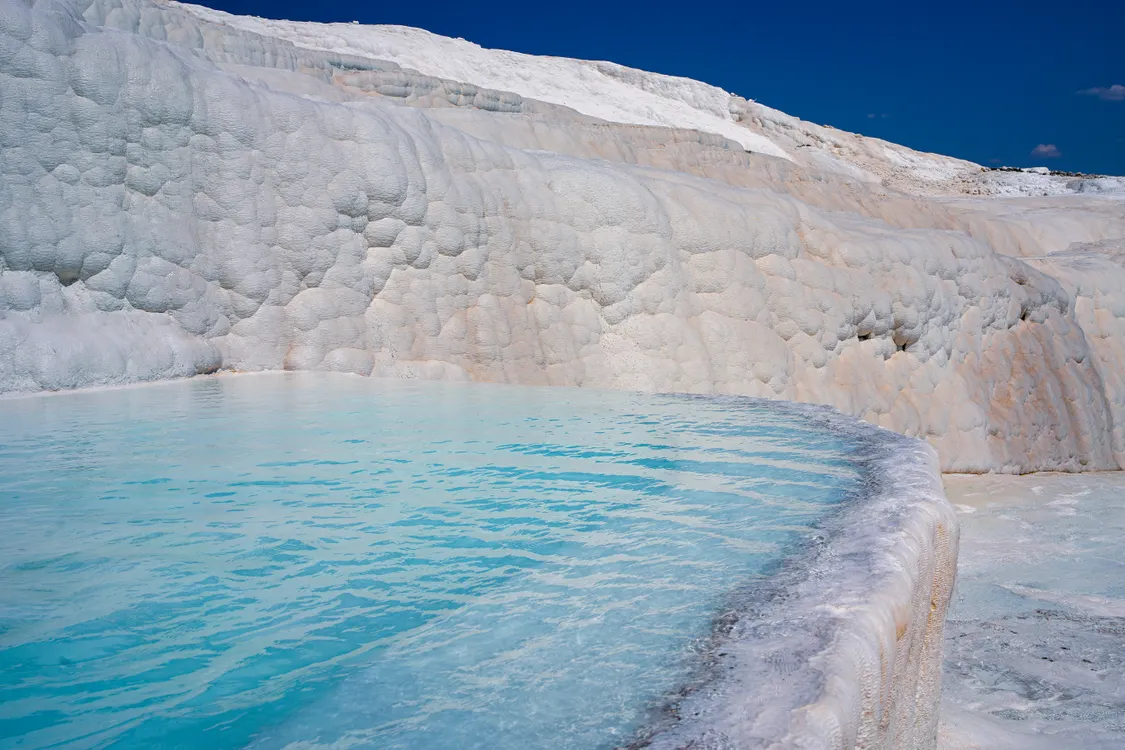
The water leaving Pamukkale's springs arrives at roughly 35°C carrying dissolved calcium bicarbonate. As it spills down the slope and loses carbon dioxide, the mineral drops out as calcium carbonate, hardening into the ridged basins that give the hill its Turkish name — pamuk kale, cotton castle. The white is not snow, not salt and not paint. It is limestone, still being laid down. Anyone asking what is pamukkale in turkey is usually picturing only the terraces, and that is the smaller half of the story. On the plateau directly above them stands Hierapolis, a Greco-Roman spa city founded in the second century BC, drawn here precisely because of the thermal water. Its theatre, colonnaded Frontinus Street, monumental gates and one of the largest ancient necropolises in Anatolia sit within the same protected boundary. UNESCO inscribed the two together in 1988 as a mixed natural and cultural property, which is why a single conservation fee covers the whole plateau rather than two separate attractions. The Pamukkale travertines and the ruins are, administratively and geologically, one site. That matters for how visitors plan. The terraces are crossed barefoot on a marked walking route — footwear is banned to protect the deposits, and the surface underfoot is wet, ridged and abrasive rather than slippery-smooth. Most of the basins are managed on a rotation, so some are flooded and some are dry depending on the season; the postcard image of every pool brimming is rarely the reality on any single day. Carry a bag for your shoes, and expect the barefoot section to take longer than the distance suggests. The site sits at Pamukkale Mahallesi, 20190 Pamukkale, Denizli, roughly three hours inland from the Aegean coast, which is why Turkey landmarks itineraries almost always bracket it with Ephesus rather than treating it as a standalone stop. Readers who came here asking what is pamukkale in turkey should leave with a clear picture: a living limestone formation, a ruined thermal city, and a walk that rewards an early start. The dedicated sections on this page cover the daily schedule, the fee, the arrival window and the individual highlights in detail.
“The white is not snow, not salt and not paint — it is limestone, still being laid down.”
Best Time to Visit Pamukkale in Turkey
The best arrival window is 06:00–10:00 to avoid mid-day heat and large tour group crowds for a better experience. Visiting during the shoulder seasons offers the most temperate conditions for exploring the site on foot.
Spring (April–May)
Moderate crowdsMild temperatures of 15°C to 25°C. Pleasant weather for walking the travertines.
Summer (June–August)
Heavy crowdsHot, dry, often exceeding 35°C. High sun exposure requires preparation.
Autumn (September–October)
Moderate crowdsComfortable cooling temperatures of 18°C to 28°C. Ideal for outdoor exploration.
Weekday mornings
Low to moderate crowds—
Best for accessing the site before tour buses arrive from surrounding regions.
Verdict: For the most comfortable experience, visit on a weekday during April or October and arrive at the gates between 06:00 and 10:00.
Opening Hours for What Is Pamukkale in Turkey
Pamukkale remains open to visitors daily throughout the week, including weekends and public holidays. Planning your visit according to these consistent operating hours assists in coordinating travel logistics for the site.
| Monday | 06:00–23:00 | |
|---|---|---|
| Tuesday | 06:00–23:00 | |
| Wednesday | 06:00–23:00 | |
| Thursday | 06:00–23:00 | |
| Friday | 06:00–23:00 | |
| Saturday | 06:00–23:00 | |
| Sunday | 06:00–23:00 |
Highlights of What Is Pamukkale in Turkey
Pamukkale features several distinct zones that combine natural mineral formations with archaeological remains. Visitors can explore these specific areas to understand the scope of the site.
Travertine Terraces
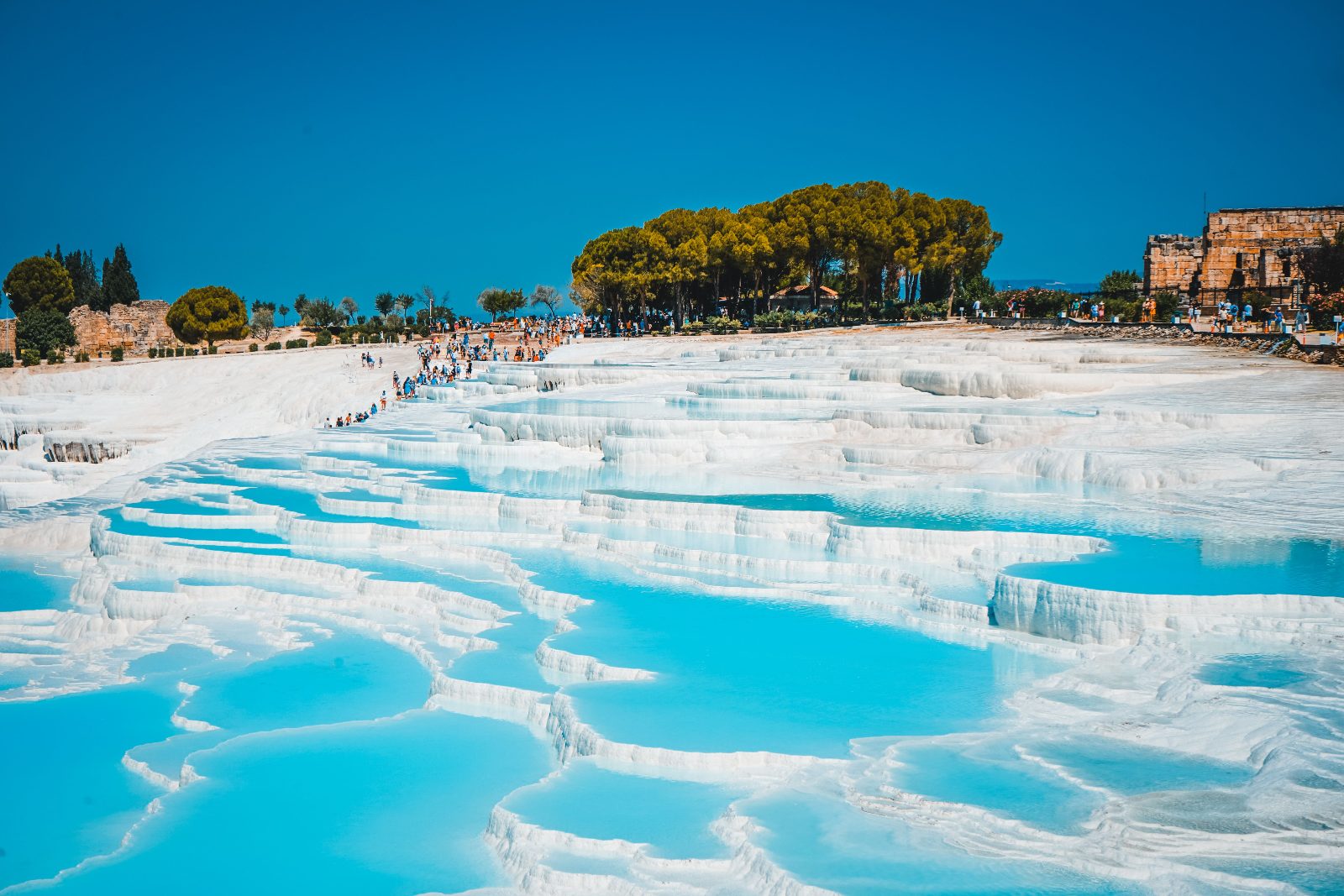
The white mineral-rich carbonate terraces form tiered pools created by flowing thermal waters. Walk barefoot on the designated paths to protect the delicate formations.
Walk the lower paths to find less crowded pools for photography.
Antique Pool
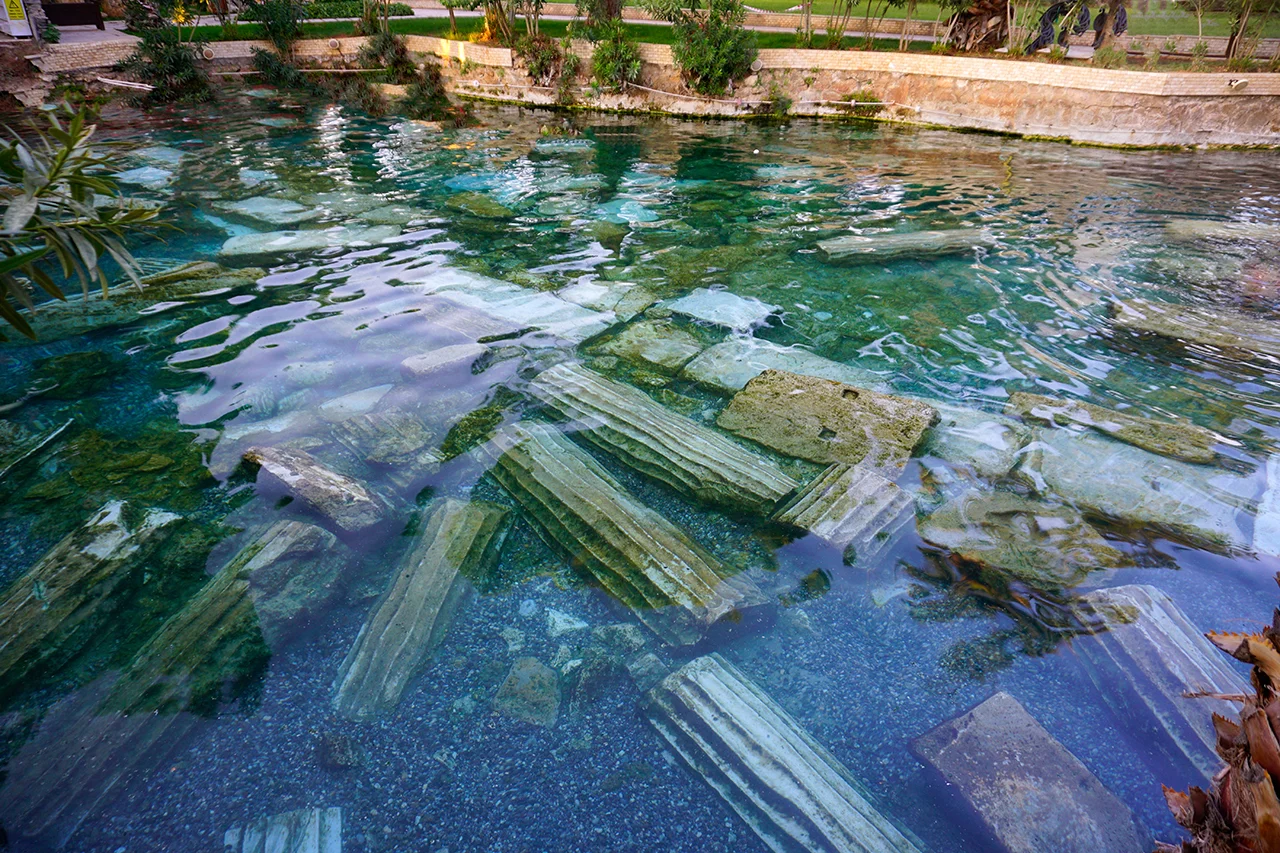
Known as Cleopatra's Pool, this thermal basin contains submerged Roman columns and marble fragments. Swim in the mineral-rich water amidst authentic historical ruins.
Visit early to enjoy the thermal water before large groups arrive.
Hierapolis Theatre
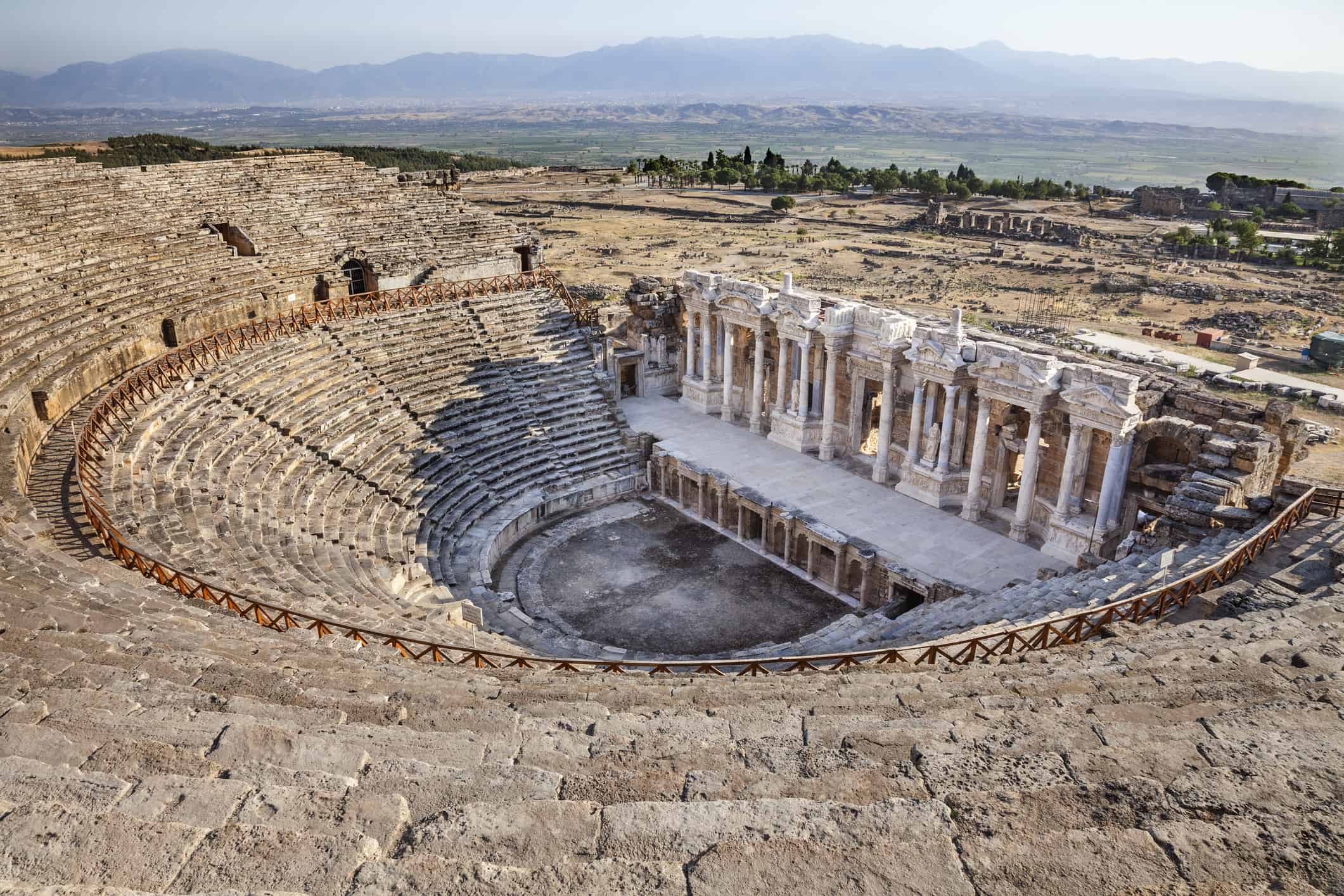
This expansive Roman theatre is situated on a hillside overlooking the valley and the travertines. It retains original decorative reliefs and seating sections.
Climb to the top row for a view of the entire site.
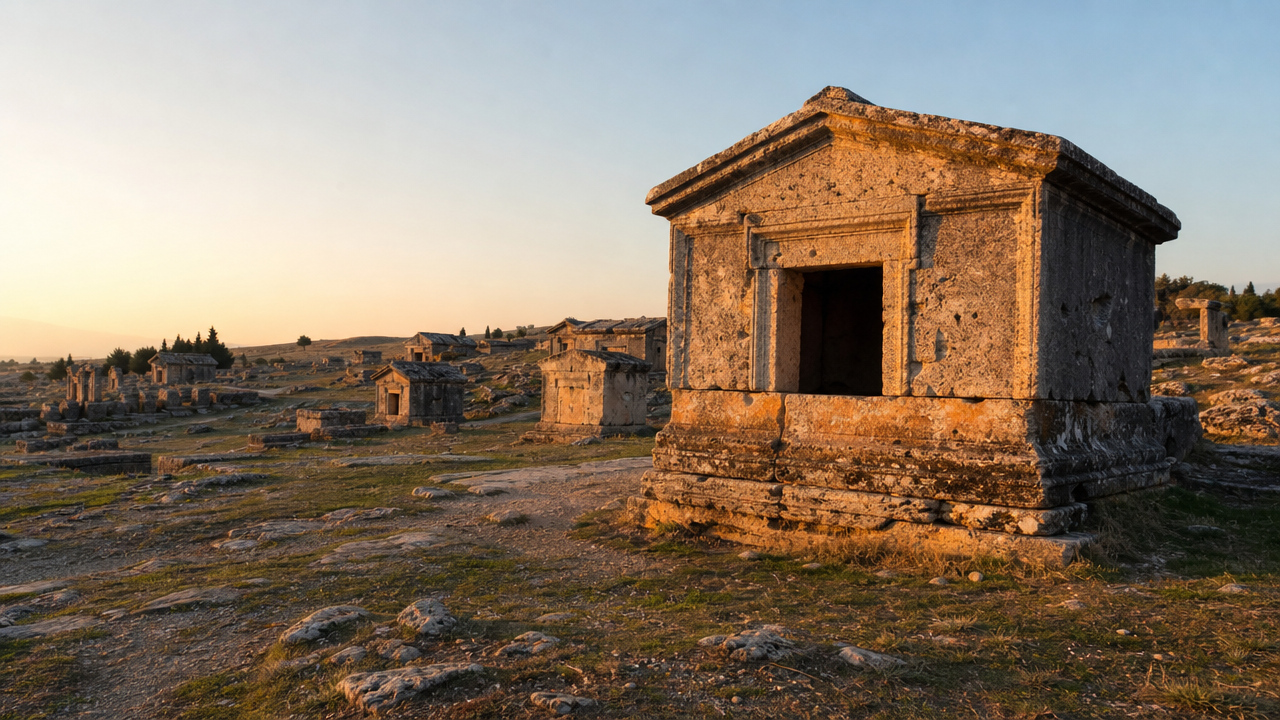
Necropolis
This extensive burial ground stretches for over a kilometer and contains various tomb types including sarcophagi and tumuli. It represents one of the largest ancient cemeteries in Anatolia.
Follow the northern path to explore the different tomb architectural styles.
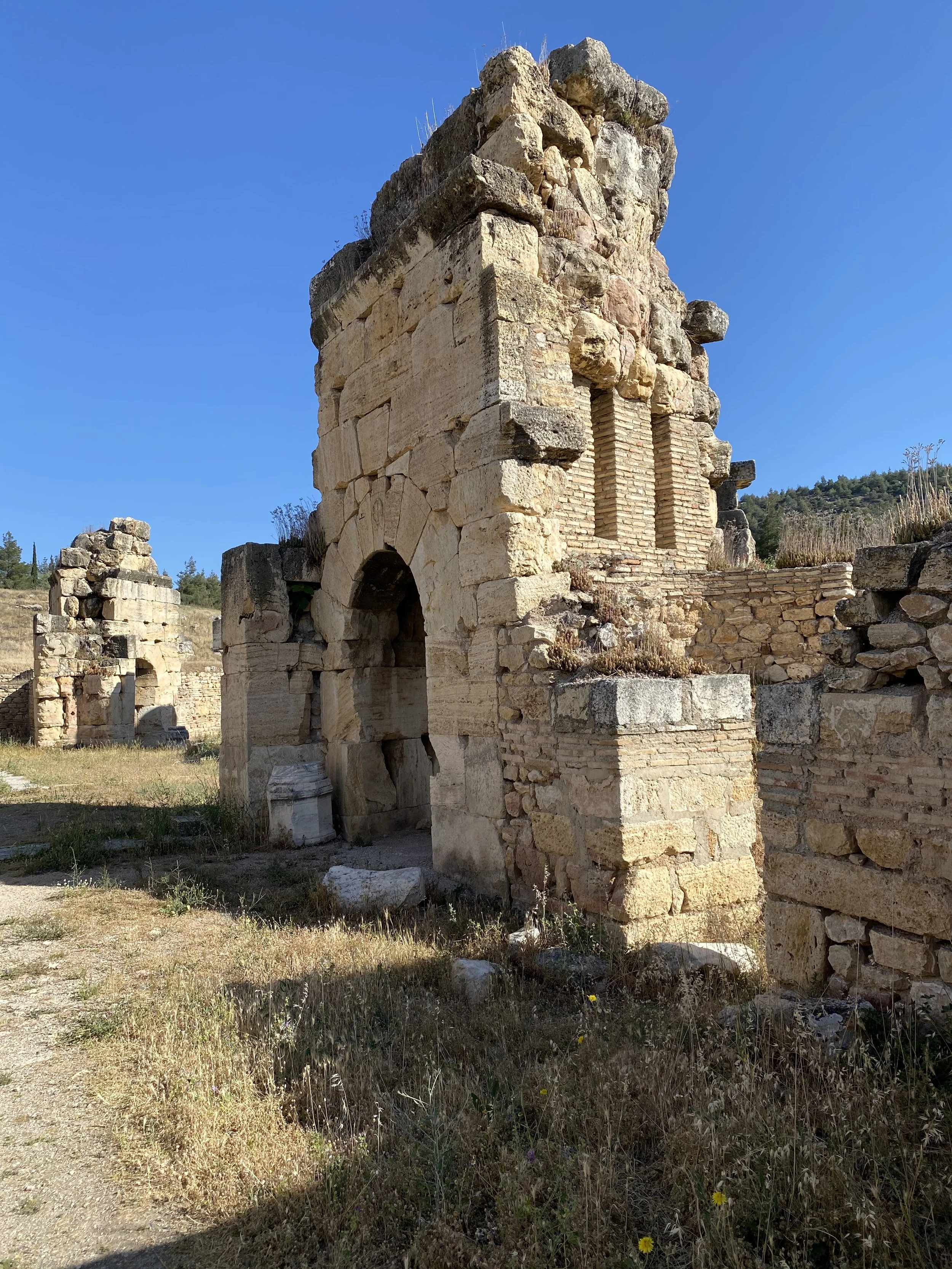
Martyrium of Saint Philip
This octagonal structure was built to honor the apostle Philip and is accessible via a path leading uphill from the main ruins. It offers a vantage point over the city remains.
Wear comfortable walking shoes for the incline leading to the site.
Directions: How to Reach What Is Pamukkale in Turkey
Pamukkale is located in the Denizli province of Turkey. Most visitors reach the site by arriving in the city of Denizli via air or bus before transferring to local transport.
Denizli Otogar to Pamukkale Minibus (Dolmuş)
D320 or D585 highway to Pamukkale Mahallesi
Denizli City Center to Pamukkale entrance
Check availability
Common questions about what is pamukkale in turkey
Everything you need to know about what is pamukkale in turkey